
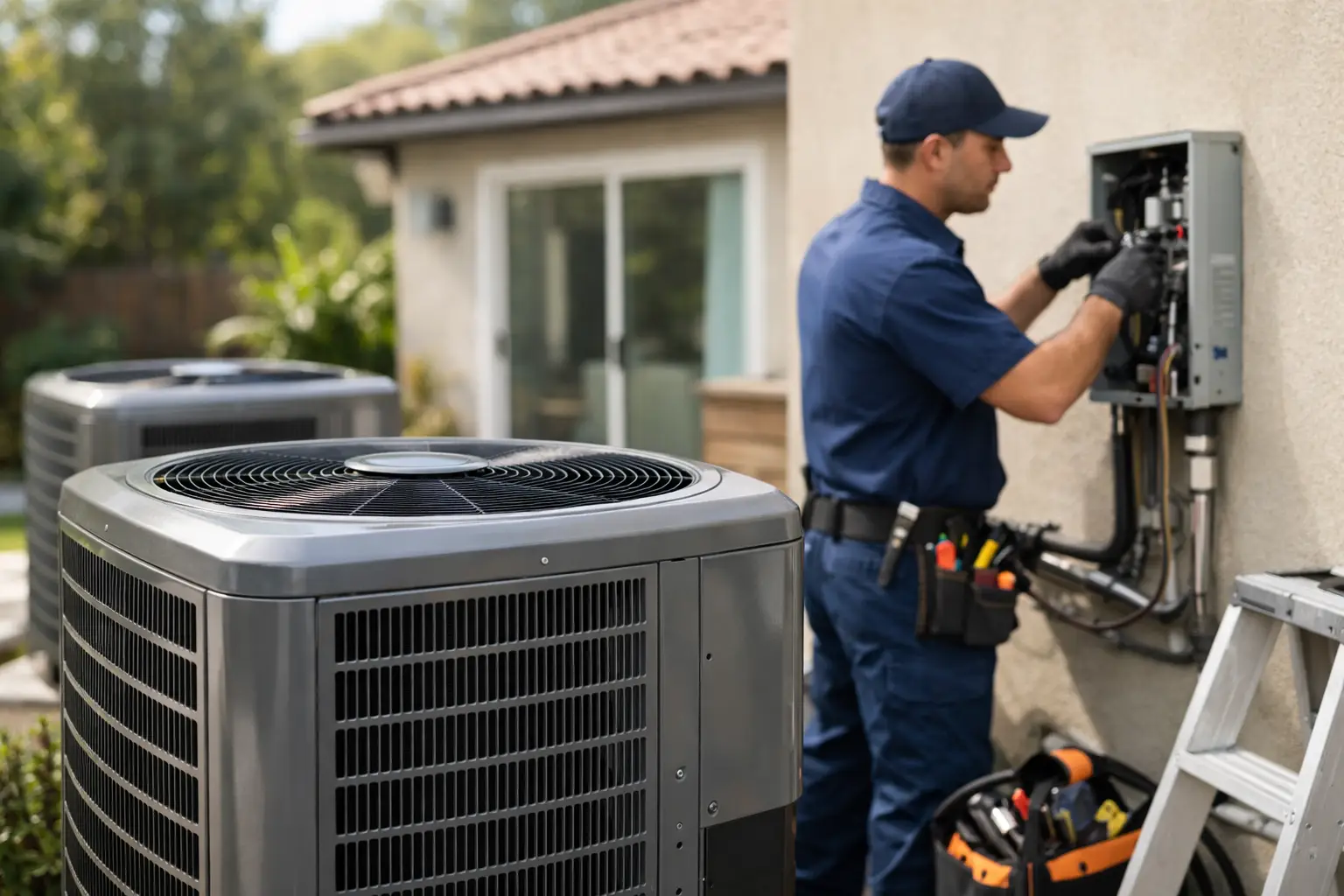
A summer afternoon in Encino can quickly reveal whether an air conditioning system is truly doing its job. Rooms that never cool down, long run times, uneven temperatures, and rising utility bills are more than minor inconveniences. They can be signs that the equipment is aging, undersized, poorly installed, or no longer suited to the home. A professional central air installation Encino homeowners can depend on starts with understanding the property, not simply replacing one outdoor unit with another.
Central air is a major investment in comfort, energy use, and property value. The right system should cool the home consistently, manage humidity, operate safely, and provide dependable performance through the hottest parts of the year. Getting there requires careful planning and qualified installation work.
What a Central Air Installation Should Include
A proper installation is a complete system project. The outdoor condenser is only one part of the process. Indoor equipment, refrigerant lines, ductwork, electrical connections, drainage, airflow, and thermostat controls must all work together.
Before recommending equipment, a qualified technician should assess the home’s square footage, layout, insulation, window exposure, existing duct condition, electrical capacity, and the comfort concerns that prompted the replacement. A two-story home with west-facing windows may need a different solution than a single-story home of the same size. Homes with recent additions, converted garages, or rooms that are consistently warmer than the rest of the house also deserve special attention.
The goal is not to sell the largest system available. It is to recommend equipment that matches the building’s actual cooling load and the customer’s budget. An oversized air conditioner can cool too quickly and shut off before properly managing humidity. An undersized system may run continuously, struggle during heat waves, and experience unnecessary wear.
System sizing is more than square footage
Square footage provides a starting point, but it should never be the only measurement used to select a new air conditioner. Ceiling height, insulation levels, sun exposure, the number of occupants, and heat-producing appliances all affect cooling demand.
For this reason, responsible contractors evaluate the full property rather than relying on a quick estimate. Correct sizing supports better comfort, lower operating costs, and a longer service life. It also helps avoid the frustrating situation where a brand-new system still leaves certain rooms hot.
When Replacement May Be the Better Choice
Repair is often worthwhile when the system is relatively new and the issue is limited. However, there are times when continued repairs become less practical than replacement. If an air conditioner is more than 10 to 15 years old, needs frequent service, uses an outdated refrigerant, or has a major compressor or coil failure, it may be time to compare repair costs with the benefits of new equipment.
Energy efficiency is another consideration. Older equipment can consume significantly more electricity than a properly selected modern system. The potential savings vary by home, usage habits, insulation, and utility rates, so no contractor should promise one fixed number for every property. Still, an efficient new system can make a meaningful difference for households that run their air conditioning often during the San Fernando Valley heat.
Replacement can also be the right decision when comfort problems have become routine. If some areas remain warm, airflow is weak, the system is unusually loud, or the thermostat never seems accurate, the issue may involve more than the equipment itself. Ductwork, controls, and installation quality need to be part of the conversation.
Ductwork Can Make or Break New Equipment
New central air equipment cannot perform at its best through leaking, undersized, damaged, or poorly designed ducts. Ducts carry conditioned air throughout the home, so air loss in an attic, disconnected sections, or restrictive runs can reduce comfort and waste energy.
During central air installation in Encino, existing ducts should be inspected rather than assumed to be adequate. In some homes, sealing and repairing the duct system is enough. In others, duct modifications or replacement may be needed to support correct airflow. This may add to the initial project cost, but skipping necessary duct work can leave homeowners disappointed with the result.
A good installation plan also considers return air. Supply vents deliver cooled air into rooms, while return vents bring air back to the system for conditioning. A home with insufficient return airflow may feel stuffy, noisy, or unevenly cooled even when the air conditioner itself is in good condition.
Choosing Features That Fit How You Use Your Home
There is no single best air conditioner for every property. Efficiency ratings, system stages, variable-speed equipment, filtration options, and thermostat features should be chosen based on how the home is used.
A standard single-stage system may be a practical option for a homeowner focused on reliable cooling and a straightforward budget. Two-stage or variable-speed equipment can offer more gradual operation, improved temperature consistency, and quieter performance. Those benefits can be especially appealing in larger homes, homes with comfort imbalances, or properties where occupants are sensitive to temperature changes. They also typically come with a higher upfront cost.
Thermostat selection matters as well. A programmable or smart thermostat can help manage schedules and prevent unnecessary runtime when the home is empty. It should be compatible with the chosen HVAC equipment and installed correctly. More features are not always better if they make the system harder to operate. The best control is one that gives the customer clear, useful control over comfort.
What to Expect on Installation Day
A professional crew should arrive prepared to protect the work area, remove the old equipment safely, and install the new components according to manufacturer requirements and applicable codes. Depending on the scope, the work may include setting the outdoor condenser, installing or connecting the indoor coil and air handler or furnace, updating refrigerant lines, making electrical connections, adding a proper condensate drain, and addressing duct modifications.
Installation time depends on the home and the complexity of the project. A direct replacement may be completed more quickly than a system that requires new ductwork, electrical upgrades, or changes to equipment location. Homeowners should be cautious of anyone who promises a final timeline without first inspecting the job.
Once the equipment is installed, the work should not end with turning it on. The technician should test operation, verify refrigerant charge and airflow, check safety controls, confirm drainage, and review thermostat use. This commissioning step helps identify issues before they become comfort problems.
Questions Worth Asking Before You Approve the Work
A clear conversation before installation helps prevent surprises later. Ask whether the proposed system has been sized for the home, whether the ducts will be inspected, what work is included in the estimate, and which warranties apply to the equipment and labor.
It is also reasonable to ask about permits, manufacturer registration, maintenance requirements, and what happens if an issue develops after installation. Honest answers matter. The lowest quote is not always the lowest long-term cost if it leaves out electrical work, drainage improvements, duct repairs, start-up testing, or warranty support.
For homeowners and property managers, documentation is valuable. Keep the estimate, model numbers, warranty information, maintenance records, and any permit paperwork in one place. These details can help with future service, property records, and warranty claims.
Protecting Your Investment After Installation
Even the best-installed system needs routine care. Replace or clean filters on schedule, keep the outdoor unit free of leaves and debris, and avoid blocking supply or return vents with furniture. Annual professional maintenance gives a technician the opportunity to inspect electrical components, clean critical parts, verify performance, and catch smaller concerns before they lead to a breakdown.
If you notice new noises, water near indoor equipment, reduced airflow, or a sudden increase in cooling costs, schedule service rather than waiting for a complete failure. Early attention can often prevent more extensive repairs.
Candid Heating & Air Conditioning, Inc. approaches installation as a long-term comfort decision, with licensed and insured service, experienced technicians, quality equipment, and recommendations based on the property’s needs. The right central air system should not demand constant attention. It should give you confidence that your home or business will stay comfortable when Encino temperatures climb.