
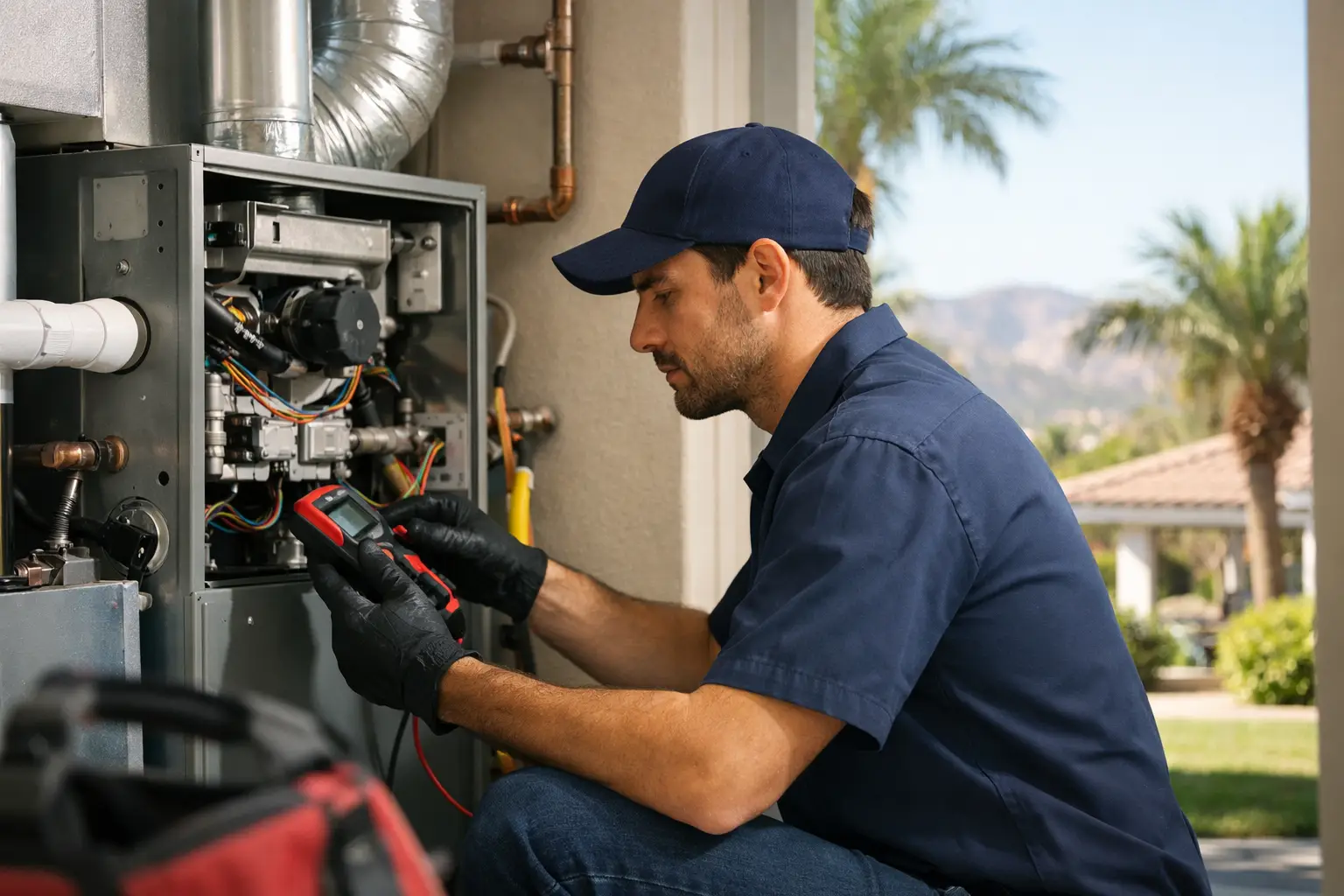
A furnace can sit quietly for most of the year in the San Fernando Valley, then become essential on the first cold night. That is when a small issue – a weak igniter, dirty filter, loose electrical connection, or worn blower part – can turn into no heat at all. Timely furnace service San Fernando Valley property owners can rely on helps prevent those surprises while protecting comfort, safety, and system life.
For homeowners, property managers, and business operators, the goal is not simply to get heat back when the system stops. It is to know when service is needed, what a qualified technician should check, and when repair or replacement makes better financial sense.
When to Schedule Furnace Service
The best time for a maintenance visit is before regular heating use begins, usually in early fall. A professional inspection gives the technician an opportunity to test operation under controlled conditions, clean key components, and identify wear before it causes a shutdown.
Still, a furnace does not need to fail completely before it deserves attention. Schedule service sooner if rooms heat unevenly, the system takes longer than usual to reach the thermostat setting, or utility bills rise without a clear change in usage. These symptoms can come from airflow restrictions, thermostat problems, duct issues, or declining furnace performance. The right diagnosis matters because replacing parts without finding the underlying cause can waste money.
For a rental property or commercial space, preventive service is especially valuable. An unexpected heating failure can affect tenants, employees, customers, and daily operations. Regular inspections help managers plan repairs on their schedule instead of responding to an urgent complaint during a cold spell.
Warning Signs That Should Not Wait
Some furnace concerns are inconvenient. Others can indicate a safety issue and should be addressed promptly by a licensed HVAC professional. If you smell gas, notice a burning odor that does not go away shortly after seasonal startup, see soot around the unit, or experience repeated breaker trips, turn the system off if it is safe to do so and request service.
Carbon monoxide concerns require immediate action. Headaches, dizziness, nausea, or flu-like symptoms that improve after leaving the building can be warning signs of exposure. Leave the property, call emergency services or the gas utility when appropriate, and do not operate the furnace again until it has been inspected. Working carbon monoxide detectors should be installed and tested according to manufacturer guidance and local requirements.
Other signs are less urgent but still deserve a service call. Listen for banging, squealing, grinding, or repeated clicking during startup. Watch for short cycling, where the furnace turns on and off before completing a normal heating cycle. A yellow burner flame instead of a steady blue flame may also point to a combustion issue. Do not try to adjust gas components yourself. Professional testing is the safer choice.
What Professional Furnace Service Should Include
A meaningful maintenance visit is more than changing a filter and confirming that warm air is coming from a vent. A trained technician evaluates the furnace as a complete system. That includes the thermostat, electrical connections, safety controls, blower assembly, air filter, condensate components on high-efficiency units, venting, and combustion performance where applicable.
The technician should also check for proper airflow and temperature rise. Restricted airflow can make a furnace run hotter than designed, which may shorten the life of components and trigger safety limits. The cause might be a clogged filter, blocked return grille, undersized ductwork, a dirty blower wheel, or a problem within the duct system. Each situation calls for a different solution.
For gas furnaces, inspection of burners, the heat exchanger, ignition system, gas connections, and flue venting is central to safe operation. Technicians use appropriate instruments and visual checks to look for signs that require repair or further evaluation. A cracked heat exchanger, for example, is not a routine repair decision. Depending on the equipment’s age, condition, warranty status, and available replacement options, replacement may be the more responsible recommendation.
Maintenance That Homeowners Can Handle
There are a few simple tasks owners can perform between professional visits. The most useful is checking the air filter regularly. A disposable filter should be replaced according to its rating, household conditions, and manufacturer recommendations. Homes with pets, construction dust, frequent allergies, or high heating and cooling use may need more frequent changes.
Keep supply vents and return grilles open and clear of furniture, rugs, or stored items. Closing too many vents in an effort to direct heat can reduce airflow and create pressure problems in the system. It is also wise to keep the area around the furnace accessible and free of flammable storage.
Thermostat settings deserve attention as well. If the furnace seems inconsistent, confirm that the thermostat is set to heat, the target temperature is above the current room temperature, and batteries are fresh if the thermostat uses them. These checks can resolve simple issues, but they should not replace a service call when the unit is making unusual noises, cycling improperly, or failing to heat.
Repair or Replacement: Making the Practical Choice
A repair is often the right choice when the furnace is relatively new, the issue is isolated, and the system has otherwise been maintained well. Replacing an igniter, sensor, capacitor, or control component can restore dependable operation without the cost of a new installation.
Replacement becomes worth considering when repairs are frequent, parts are becoming difficult to source, efficiency is poor, or a major component has failed in an older unit. Furnace age alone does not make replacement automatic. A well-maintained system may have useful life remaining, while a neglected unit can develop major problems earlier than expected. The decision should be based on the condition of the equipment, the repair cost, expected future reliability, energy use, and the needs of the property.
For a larger home, a multi-tenant building, or a commercial location, correct sizing is just as important as choosing a quality furnace. Installing equipment that is too large can lead to short cycling and uneven comfort. Equipment that is too small may run excessively and still struggle to heat the space. A qualified contractor should evaluate the building layout, insulation, ductwork, occupancy, and heating load before recommending a new system.
Why Local Experience Matters for Furnace Service
Valley properties face a distinct comfort challenge: hot summers place heavy demand on HVAC systems, while cool nights and seasonal temperature shifts still require reliable heating. Because the furnace shares important components with the overall HVAC system, service should consider how heating, cooling, airflow, and thermostat controls work together.
Older homes may have aging ducts or limited return airflow. Newer homes may have high-efficiency equipment that requires more specialized diagnostic work. Commercial spaces can add scheduling constraints, zoning needs, and higher occupancy demands. A one-size-fits-all recommendation rarely serves the property well.
When selecting a contractor, look for licensed and insured service, clear communication about findings, and recommendations that explain both the immediate repair and the longer-term options. Honest service means being told when a repair is sensible, when a maintenance issue can wait, and when continued repairs are no longer a good investment.
Get Ahead of the Next Cold Night
A furnace is easiest to manage when service happens before comfort is disrupted. If your system has not been inspected recently, has started making new noises, or is leaving parts of the building cold, schedule an evaluation before the issue becomes urgent. Candid Heating & Air Conditioning can help property owners make a clear, informed decision about maintenance, repair, or replacement based on the equipment and the space it serves.