
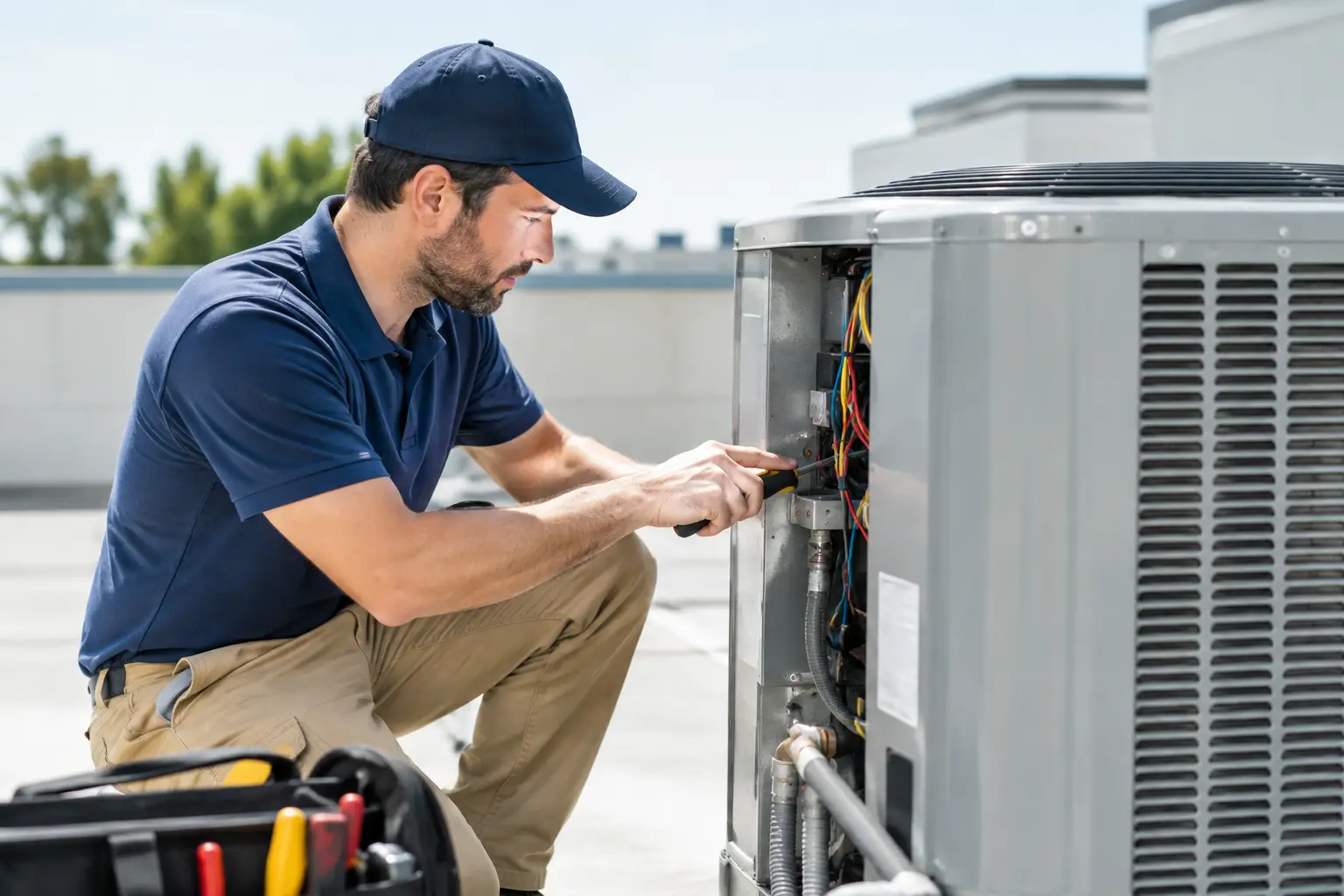
A failed air conditioner during a Southern California heat wave can turn a routine tenant call into a costly emergency. This property manager HVAC maintenance guide is designed to help you prevent that situation, protect your equipment investment, and keep residents or commercial occupants comfortable without relying on last-minute repairs.
For property managers, HVAC maintenance is not just another line item. Heating and cooling systems affect tenant satisfaction, utility costs, lease renewals, indoor air quality, and the condition of the building itself. A consistent maintenance plan gives you more control over all of it.
Why HVAC Maintenance Matters for Managed Properties
HVAC equipment works hard in Los Angeles and the San Fernando Valley. Air conditioners often run for long stretches during warm weather, while furnaces may sit unused until the first cold night exposes a problem. Dust, clogged filters, worn electrical parts, refrigerant issues, and drainage problems can build quietly until the system stops doing its job.
Preventive service helps identify small concerns before they become after-hours calls. A loose electrical connection can become a failed component. A blocked condensate drain can lead to water damage. A neglected filter can restrict airflow, force the system to work harder, and make rooms feel unevenly cooled or heated.
The financial benefit is practical. Planned maintenance is usually easier to budget than emergency repairs, and well-maintained equipment can last longer. It also gives property managers documentation showing that critical building systems have been inspected and serviced responsibly.
Build a Property Manager HVAC Maintenance Schedule
A good schedule depends on the building type, equipment age, occupancy, and system design. A single-family rental with one central system does not need the same approach as a multi-unit building, office, retail space, or property with several rooftop units. Still, most properties benefit from seasonal professional service paired with regular on-site checks.
Schedule service before peak seasons
Plan an air conditioning inspection in spring, before summer demand increases. Plan heating service in fall, before residents begin using furnaces or heat pumps regularly. Scheduling ahead gives you more flexibility than waiting until the first breakdown, especially during periods when service calls increase across the area.
During a professional visit, a qualified technician should evaluate system operation, airflow, thermostat performance, electrical components, safety controls, refrigerant-related concerns, drainage, and visible wear. The exact work will vary by equipment, but the goal remains the same: verify safe, efficient operation before the system is under heavy demand.
Check filters on a recurring basis
Filter changes are one of the simplest ways to support HVAC performance, but they are often missed in rental properties. The right interval depends on the filter type, occupancy, pets, construction dust, and whether tenants are responsible for replacement. Many properties need checks every one to three months, while high-use commercial systems may require more frequent attention.
Do not assume a filter is clean because it was changed recently. A unit near a busy street, a pet-friendly rental, or an active renovation can load a filter much faster than expected. Keep a record of the filter size, replacement date, and any unusual buildup. That record helps identify recurring air quality or airflow issues.
Inspect outdoor units and access areas
Outdoor condensers and heat pump units need clear space to reject heat properly. Landscaping, stored items, trash, leaves, and debris can block airflow around the equipment. Check that panels are secure and that residents or vendors have not placed items against the unit.
For commercial and multifamily properties, access is equally important. Electrical panels, thermostats, mechanical closets, rooftop equipment, and indoor air handlers should remain accessible for safe service. A technician loses valuable time when a mechanical room is blocked or a roof access procedure is unclear.
Track the Signs That Service Is Needed
The best maintenance programs combine scheduled visits with a quick response to warning signs. Train on-site staff to report changes early rather than waiting for a complete failure. Tenants should also know which issues require prompt attention.
Common signs include rooms that will not reach the thermostat setting, weak airflow, unusual cycling, water near an indoor unit, new rattling or buzzing sounds, burning odors, and unexplained increases in utility use. A musty smell may point to moisture or drainage concerns, while a gas odor requires immediate action and appropriate safety procedures.
It is also worth tracking repeated comfort complaints by location. If several tenants report hot bedrooms, cold offices, or inconsistent temperatures in the same area, the issue may be larger than one thermostat. Ductwork, insulation, equipment sizing, zoning, return-air design, or aging components may be contributing.
Keep Clear Service Records
When managing multiple units or buildings, memory is not a maintenance system. Keep a simple record for each piece of HVAC equipment that includes the model and serial number, installation date if known, filter size, warranty information, past repairs, service dates, and reported issues.
This record makes replacement decisions more informed. If a 15-year-old unit has needed repeated repairs, has uneven performance, and uses outdated equipment, another repair may not be the most cost-effective choice. On the other hand, a newer unit with a minor electrical or drainage issue may be well worth repairing.
Service history also helps when ownership, property management staff, or tenants change. The next person responsible for the property should be able to see what has been done and what needs attention next.
Know When Repair Is Not Enough
Maintenance can extend equipment life, but it cannot make every aging system efficient or reliable forever. Consider a replacement evaluation when repairs become frequent, the system cannot maintain comfort, energy bills remain high despite service, or replacement parts are becoming difficult to source.
Replacement decisions should not be based on age alone. Equipment condition, repair cost, tenant disruption, available warranty coverage, and the property’s long-term plans all matter. A property scheduled for renovation may need a different solution than a building expected to operate unchanged for the next decade.
Proper installation is critical. Even premium equipment can perform poorly when it is incorrectly sized, poorly connected, or installed without attention to ductwork and airflow. Request clear recommendations that account for the property’s layout, usage, budget, and expected maintenance needs.
Work With a Dependable HVAC Partner
Property managers need more than a contractor who answers one emergency call. They need a licensed and insured HVAC company that can provide consistent service, communicate clearly, document work, and make honest recommendations when repair or replacement is needed.
Before choosing a maintenance partner, ask how service requests are documented, who performs the work, how emergency issues are handled, and whether the company can support both routine maintenance and larger system projects. It is also reasonable to ask about labor warranties and what is included in a maintenance visit.
For properties in Northridge, the San Fernando Valley, and surrounding Los Angeles communities, Candid Heating & Air Conditioning can help managers plan service around their building needs, from routine inspections to repairs, new installations, and system replacements.
A reliable HVAC plan does not eliminate every repair call, but it changes the odds in your favor. Set the schedule, keep the records current, respond to warning signs early, and give your residents the comfort they expect before the next hot day puts the system to the test.